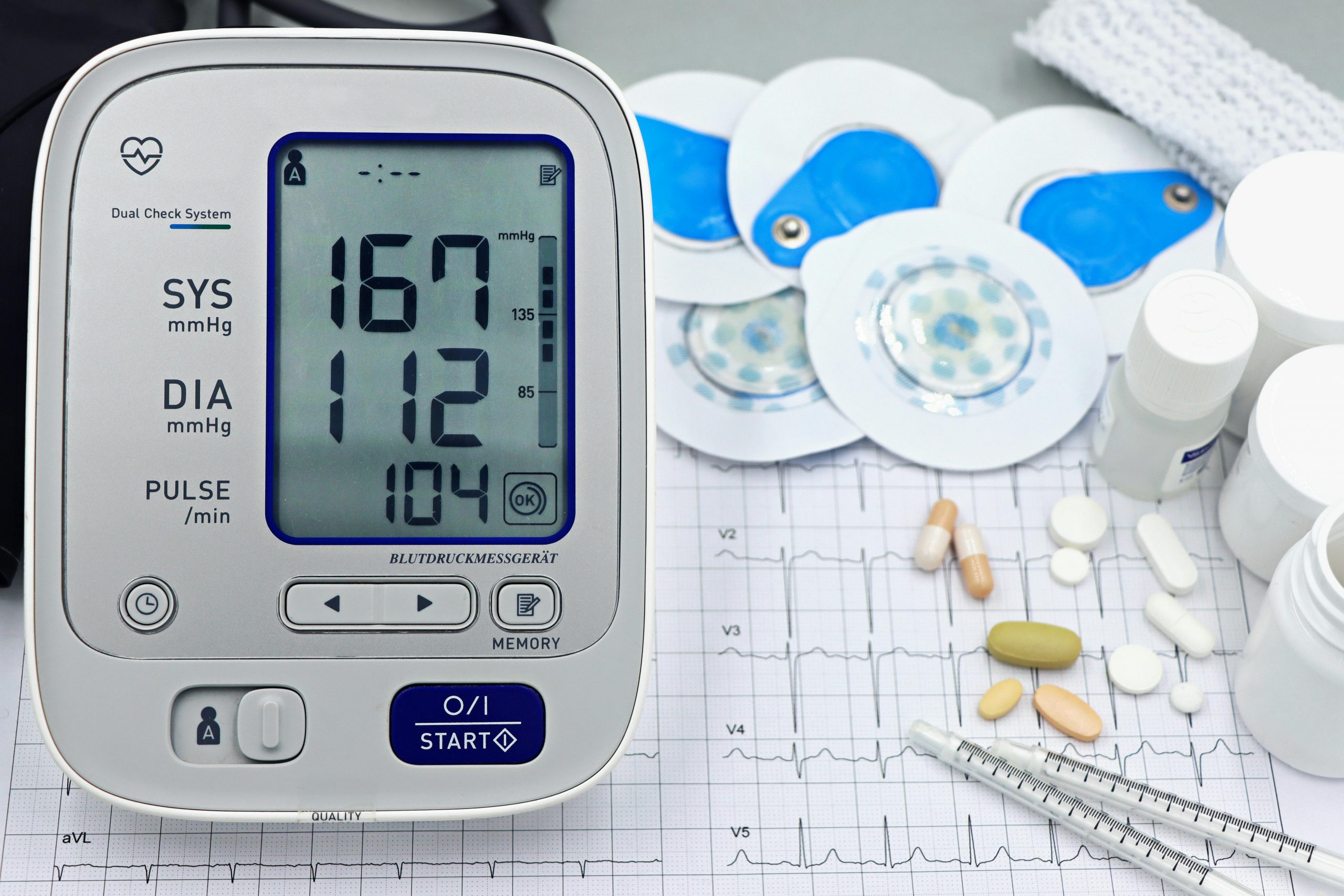
Hypertension (HTN) is a condition where the force of blood pushing against the artery wall is consistently too high, and the heart has to work harder to pump the blood.
There are certain myths and misconceptions regarding hypertension and its treatment. Firstly, we need to understand what causes hypertension and what the categories of hypertension are. Obesity, sedentary lifestyle and smoking all contribute to high blood pressure.
Categories of BP
Blood Pressure can be classified in 6 categories as follows:
- Normotensive:
- Systolic; 120 mm HG, Diastolic; 80 mm HG
- Elevated BP:
- Systolic; 120-129mmHG, Diastolic; below 80 mm HG
- Stage 1 HTN:
- Systolic; 130-139 mm HG, Diastolic; 80-89 mm HG
- Stage 2 HTN:
- Systolic; 140 mm HG or higher, Diastolic; 90 mm HG or higher
- Severe HTN:
- Systolic; Higher than 180 mm HG, Diastolic; Higher than 120 mm HG (without symptoms*)
- HTN emergency:
- Systolic; higher than 180 mm HG, Diastolic; higher than 120 mm HG (with symptoms*)
Symptoms*:
- Shortness of breath
- Chest Pain
- Back Pain
- Numbness
- Weakness
- Change in Vision
- Difficulty Speaking
Q&A:
Q: High blood pressure runs in my family; will I have it too?
A: High blood pressure runs in the family but with healthy eating habits and exercise, one can avoid it
Q: Can only adults have hypertension?
A: High blood pressure can affect all age groups including children
Q: Can low salt intake help reduce blood pressure?
A: Low salt intake can lower your blood pressure. Make sure to read food labels and look for sodium content. Processed food contains a lot of sodium such as chips, crackers, pizza, hotdogs etc…
Q: Can drinking a lot of water help reduce blood pressure?
A: Drinking water helps controls blood pressure by preventing dehydration, however, fluid overload can increase your blood pressure due to hypervolemia (when body retains too much fluid and cannot remove enough of it, causing increase
in blood volume subsequently stressing your blood vessel wall, causing hypertension)
Q: Is Kosher salt better than regular salt?
A: Both salts have same amount of sodium. Potassium or Magnesium based salts can be useful to prevent or treat high blood pressure in some adults. Check with your doctor to see if taking Potassium or Magnesium is right for you.
Q: If I don’t have any symptoms of high blood pressure, do I still need to worry about it?
A: High blood pressure is called “silent killer.” Many people have high blood pressure without having any symptoms. Check your blood pressure regularly, especially if you have high blood pressure in your family.
Q: If blood pressure readings are normal, should one stop taking their blood pressure medications?
A: Your blood pressure is normal because you are taking your medication. Stopping your medications can seriously affect your health and can raise your blood pressure again.
Foods to reduce high blood pressure:
- Low fat / fat-free yogurt
- Bananas
- Berries (packed with nitric oxide which helps increase blood flow, subsequently reducing blood pressure)
- Strawberries
- Blueberries
- Raspberries
- Blackberries
- Leafy greens (excellent sources of Potassium and Magnesium)
- Kale
- Arugula
- Swiss Chard
- Romain lettuce
- Beet greens
- Beets and beet juice
- Garlic
- Oatmeal
- Salmon
- Avocado
- Quinoa
- Broccoli
- Pomegranate
Studies have shown that you can control and eliminate high blood pressure by making some lifestyle changes.
Tips: Lose weight if you need to, exercise daily, have a diet low in sodium, read food labels, increase potassium and magnesium-rich foods, and check your cholesterol.
References:
- Elsevier pharmacological research Vol 115, Jan 2017
- NMCD (Systemic review and meta-analysis) Vol 34, Oct 2024
- Shulman, S., Hasse, M. (2024).