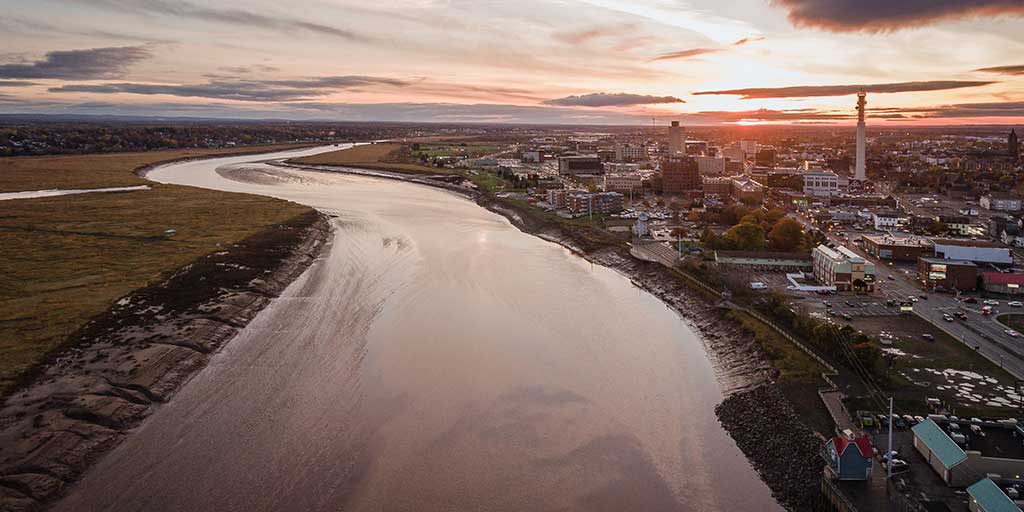
Moncton has long served as Atlantic Canada’s crossroads, linking the Maritime provinces to the mainland. Geography, it turns out, shapes religious communities as much as commerce. The city’s Ahmadiyya Muslim community—the Moncton Jama’at—owes much of its regional significance to this central position.
The Ahmadi presence in New Brunswick began in the late 1970s, when Chaudhary Latif Ahmad Sahib settled in Saint John. Academics formed the community’s early backbone: Dr. Mahmood Shad, a nuclear scientist, and Hadiyat Ullah Mangla Sahib, an economics professor, both made Saint John their home in the early 1980s. By 2000, Dr. Laeeq Tahir had joined their ranks, and small but established communities existed in both Saint John and Moncton.
For years, New Brunswick’s Ahmadi Muslims operated under the administrative umbrella of Jama’at Nova Scotia. That changed in 2010, when Halifax and Sydney were granted separate Jama’ats to accommodate their growing populations. Moncton’s community then consisted of a single family—Dr. Laeeq Tahir’s—but steady growth would follow.
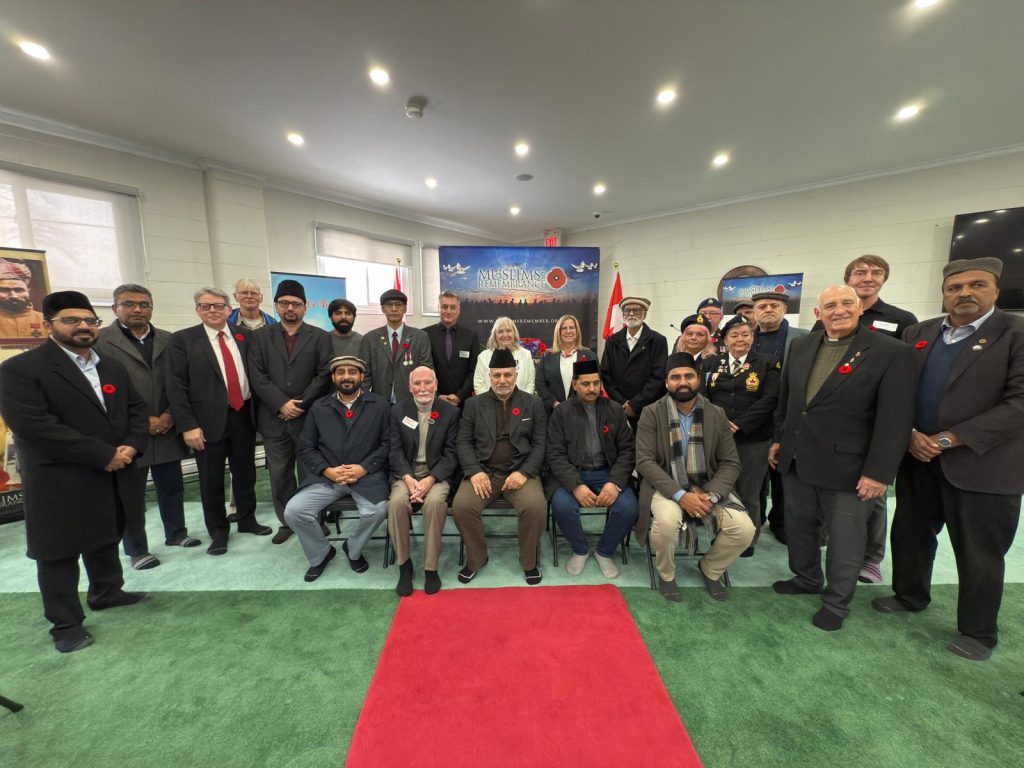
Leadership structures formalized as numbers increased. Dr. Laeeq Tahir was appointed Sadr in 2017; Shamsuddin Ahmad Sahib of Moncton was elected to succeed him in 2019. The community now maintains two prayer centres: one in Moncton at the residence of the Murabi Sahib, another in Saint John at Shamsuddin Ahmad Sahib’s home.
Moncton’s strategic value extends beyond its own congregation. The city serves as the base for Zahid Abid Sahib, the Murabi of Atlantic Canada, who travels from this central hub to serve Ahmadi communities across the region—Sydney, Halifax, Lunenburg, Saint John, and Prince Edward Island. A crossroads, still.