Washing and Sanitising: Understanding the Difference for Better Everyday Hygiene
Good hygiene is something we all try to practice every day. We wash our hands, clean our homes, and take steps to avoid getting sick. But even though many of us use the words “washing” and “sanitising” in our daily routines, they do not mean the same thing. In fact, these two steps do very different jobs, and both are important for keeping ourselves and our families healthy.
This article explains the difference between washing and sanitising in simple, easy-to-understand language. By the end, you will know what each step does, why they matter, and how using both can help protect your home and community from harmful germs.
What Washing Really Means
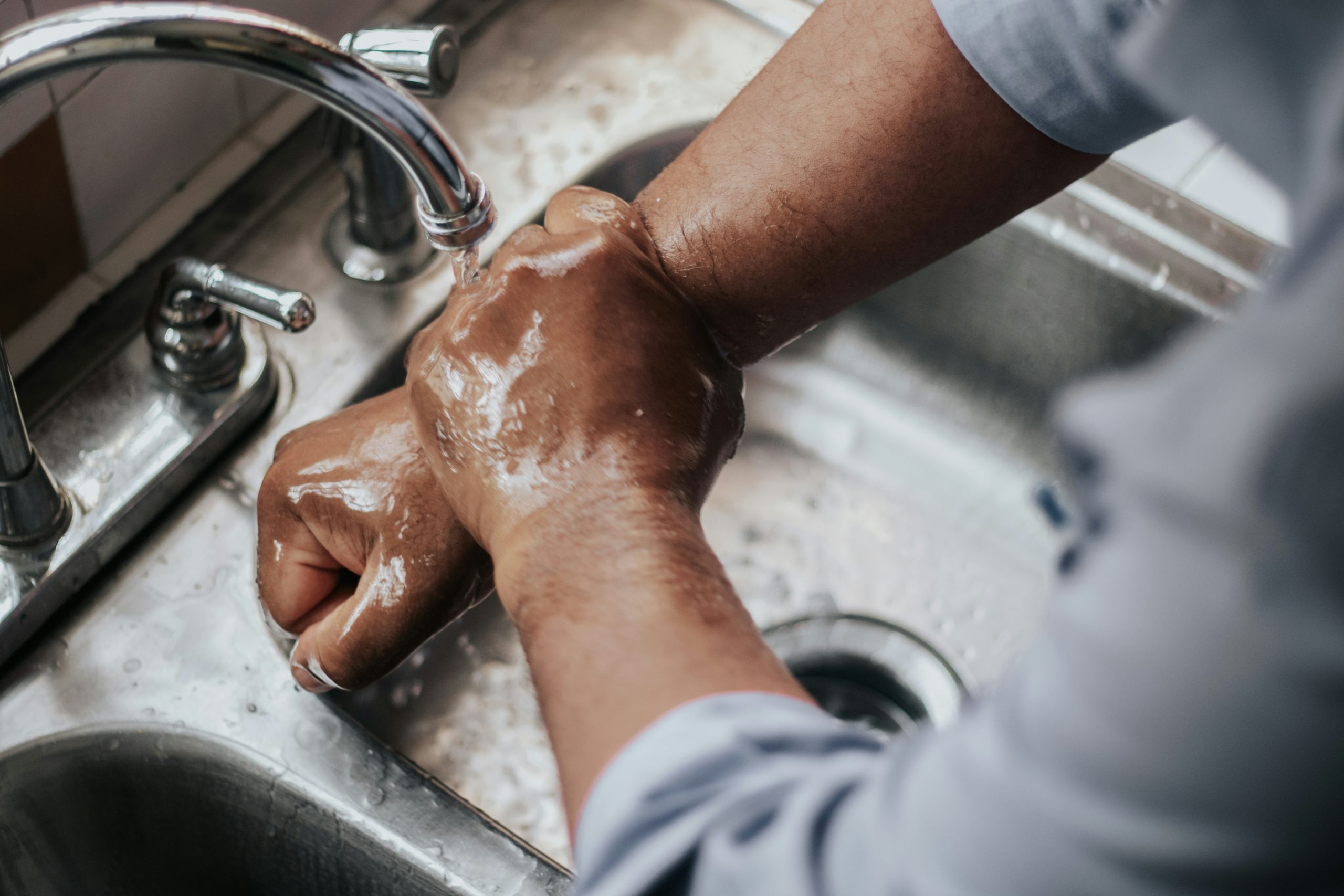
Washing is the first and most basic step in cleaning. Whenever you wash something—your hands, your dishes, the kitchen counter, or even your clothes—you are trying to remove dirt, grease, oil, dust, food pieces, and anything else you can see on the surface. Washing usually involves using water, soap or another cleaning product, and some kind of rubbing or scrubbing action.
For example, when you wash your hands, the soap helps loosen dirt and oil from your skin. You rub your hands together so the soap can lift everything off. Then you rinse your hands under clean running water, and the dirt and germs go down the drain.
Even though washing is simple, it is very important. Many germs hide in dirt, grease, and the oils on our skin. When we wash, we remove those dirty layers and take many germs with them.
However, washing does not kill most germs. It only removes them. That means even after washing, some germs may still be left behind—even if everything looks perfectly clean.
What Sanitising Means
Sanitizing is the second step in good hygiene. Unlike washing, sanitizing is not meant to remove dirt or oils. Instead, sanitizing focuses on reducing the number of harmful germs that stay behind after washing.
Sanitizing can be done with:
● Sanitizing sprays
● Sanitizing wipes
● Hand sanitizer
● Very hot water or steam
The purpose of sanitising is not to kill every germ, but to lower the number of germs to a safer level so they are less likely to cause illness. This is especially important for surfaces that many people touch, or for anything related to food.
Sanitising does not work well on a surface that is dirty. If dust, grease, or food is still present, the sanitiser may not reach the germs underneath. This is why sanitising almost always needs to happen after washing, not before.
A Simple Way to Remember the Difference
The easiest way to understand the difference is this:
● Washing removes dirt and some germs.
● Sanitising reduces the germs that remain after washing.
Washing makes things look and feel clean. Sanitising helps make them safer.
Why Both Washing and Sanitising Are Important
Some people think washing alone is enough. Others think that as long as they sanitise, they do not need to wash. But the truth is that washing and sanitising work best when they are used together.
When you wash first, you remove the dirt that hides germs. When you sanitise afterwards, you reduce the number of leftover germs to a safer level. Together, they create a strong defence against sickness.
A surface may look clean after washing, but germs are too small to see. Sanitising helps finish the job by lowering the risk of harmful bacteria spreading to hands, food, or other surfaces.
Where Washing and Sanitising Matter Most
There are many places in daily life where both steps are helpful or needed. Some examples include:
● Kitchen counters
● Cutting boards
● Bathroom sinks and toilet handles
● Doorknobs, light switches, and remote controls
● Phones, tablets, and computer keyboards
● Hands after touching raw meat
● Baby toys
● Shared surfaces at work or school
These areas are often touched or come into contact with food or mouths. Because germs move easily between these surfaces and our hands, both washing and sanitising help reduce the spread of illness.
Examples to help you choose between simply cleaning and sanitising
● Cleaning After Cutting Raw Chicken: Raw chicken may contain harmful bacteria. Washing the cutting board removes juices and food bits, but germs may still stay on the surface. Sanitising afterwards helps reduce those germs, so the board is safer for the next use.
● Washing Hands After the Bathroom: Washing your hands removes dirt, oils, and many germs. Using hand sanitiser immediately after can add an extra layer of protection, especially during cold and flu season or when someone in the home is sick.
● Wiping the Kitchen Table: If someone spills sauce or juice, you first wash the table to remove the mess. Then sanitising helps reduce germs left behind, especially if the table is where your family eats.
● Cleaning a Baby’s Toy: Babies often put toys into their mouths. Washing removes dust, dirt, and sticky residues. Sanitising afterwards helps make the toy safe for the baby to use again.
What Happens If You Only Wash or Only Sanitise?
Doing only one step is better than doing nothing, but both steps together do the best job.
If You Only Wash:
● Dirt is removed
● The surface looks clean
● Many germs may remain
● Risk of illness stays higher
If You Only Sanitise:
● Some germs are reduced
● Dirt, grease, and food bits remain
● The sanitiser may not work properly because it cannot reach the germs under the dirt
This is why washing and sanitising are most effective when used together, especially in the kitchen, bathroom, or during sickness.
When Washing Alone Is Enough
Not every surface needs sanitising every time. Washing alone is usually fine for:
● Most dishes
● Laundry
● Floors
● Dusting
● Showering or bathing
● Cleaning food spills that do not involve raw meat
As long as the surface is not used for food or touched by many people, washing alone is often enough.
When Is Sanitising Important
Sanitising becomes more important in certain situations:
● During Sickness: If someone in your home is ill, sanitising frequently-touched surfaces helps protect others.
● When Preparing Meat, Eggs, or Raw Foods: Sanitising cutting boards, counters, and knives helps prevent foodborne illnesses.
● Shared or Public Spaces: Items like doorknobs, light switches, remotes, and phones carry germs from many hands.
● When caring for Infants or Older Adults: These groups may get sick more easily, so sanitising is an extra protection.
Simple Tips for Effective Washing and Sanitising
For Washing:
● Use soap and warm water
● Scrub for at least 20 seconds (for hands)
● Rinse well
● Dry with a clean towel
For Sanitising:
● Always wash first if the surface is dirty
● Follow the instructions on sanitising sprays or wipes
● Allow the sanitiser to stay on the surface long enough to work
● Keep sanitising products out of reach of children
Conclusion
Washing and sanitising are both essential parts of good hygiene. Washing removes dirt and some germs, while sanitising reduces the germs that remain. When used together, these two steps help protect our homes, workplaces, and communities from illness. Understanding the difference helps us make smarter choices about cleaning, caring for our families, and maintaining healthier spaces for everyone.